
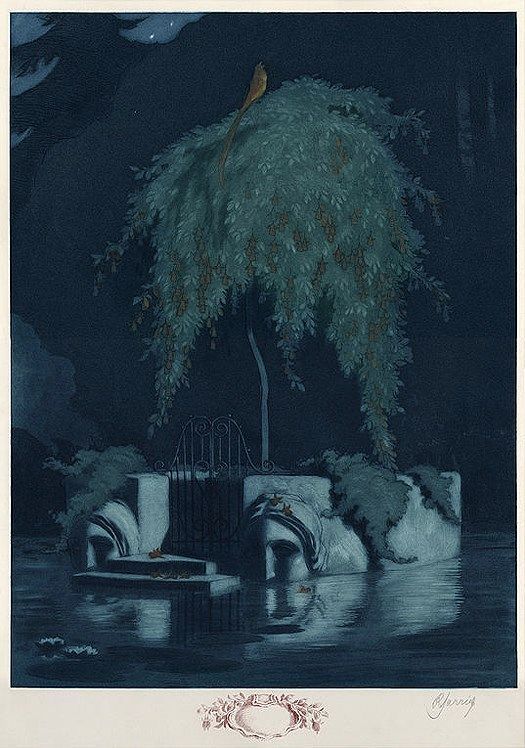


Harmony
Harmony is the word, rather than comfort. I am not seeking comfort in the practical sense of the word, but harmony: harmony between the daily and my inner life, between my dialogue with my fellow human beings and my constant conversation with my Creator, harmony with this world and the immense Universe, harmony within.
As a contemplative thinking being, comfort is only important as far as preserving the essentials: warmth for my old bones, the fruits of the earth to sustain this decrepit engine. I smile in writing this. So, what strategies? First avoidance of stupidity, which means a difficult balance between observing and ignoring: observing others, their conduct, their interaction with the world, and (conscious) ignorance of evidence of profound lack of spirituality. An example is the recent interdict by the “authorities” (?) of the traditional (Tridentine) mass in a Spanish cathedral (why, in whose name?).
Communion
Second, daily communion with the Spirit, including reading of the witnesses (for example The Singing Heart, a Book of Quiet Reflection, by Ivan Ilyin), but also writings by the fighting faithful, such as Windswept House by fr. Malachi Martin. In this respect novels are just as appropriate as the more religious, or spiritual, texts.
Resistance to evil
Third, understanding and acknowledgement of evil. There is no single way of achieving this. One is to learn from past struggles, again, Windswept House, but also “On Resistance to Evil by Force” (Ivan Ilyin) which narrates the reasons for not adopting the Tolstoian pacifist posture in the midst of the raging Bolshevik civil war in the 1920’s. This is an important study, as it shows the fallacy of attempting to compromise and negotiate with an enemy determined to destroy, annihilate the spiritual soul of their opposition.
I read Bret Easton Ellis and Donna Tartt, as observers, sometime participants, in Ellis’ case, in the sinking into materialism, greed, obsession with sex, and murder, of modern American society. Following Spengler, the “decline” of western societies, is visible proof of the ravages of materialism. Michel de Montaigne wrote his Essays in the midst of the most murderous religious war in France in the sixteenth century. His work is testimony to the possibility of harmony, and inner peace, in a sea of evil. A useful lesson for our time.
Contemplation
Fourth, the practice of contemplation, in nature, away from the tumult, from city life. The Spirit is to be found among trees, wild flowers, the songs of birds, and also on the shore. It is the absence of aggressive noise and the realm of natural sounds.
“In conclusion, it is clear that harmony holds far greater significance than mere comfort. This pursuit encompasses a deeper longing within ourselves, seeking a balance between our daily lives and inner selves, fostering meaningful connections with both fellow humans and the divine. By embracing harmony, we align ourselves with the world and the vast expanse of the Universe, while also nurturing a sense of peace within. Let us strive for this, for it is through this pursuit that we can truly find fulfilment and purpose.”
Picture source

Leave a Reply