


Trust your instinct
Trust your instinct it was, and I never regretted following this advice. This trust depends on what we know, what we have learnt, what we find inspiring, or what frightens us. Of course it is never hundred percent reliable, for at times we can be utterly confused, and blinded by evil. But if we are even thinly aware of the spirit around us, of what is holy in life and in living beings, then, most of the time, we can trust ourselves, unless of course we have already been impregnated by evil.
Ilyin taught us to avoid moralism, the concentration on our individual sense of good, and never ignore the actions and feelings of others (On Resistance to evil by Force). We know that moralism is not inspired by anything spiritual, but mere respect for society’s norms. Sometime instinct may lead us to act “immorally”, or so we are told by the convinced moralisers. Then instinct tells us to ignore them.
Experience
A reason to trust ourselves, rather than popular opinion, is that we are solely responsible for our actions, or inactions, particularly faced by evil actions or conducts. It is true that we have at first to recognise those actions and conducts for what they are, and this depends on our experience, the influence of our teachers, our readings, the examples given by our parents and privileged friends (in the sense of being trusted). Yet in the final stage of decision we must rely on ourselves.
Independence
This is true, not only for spiritual, or moral, questions, but also at a practical level. For example in our daily life we make countless decisions on what we buy, the products we trust, we advice we listen to. These choices are made by us, under the influence of for example advertising, the media, various “gurus” if we are so inclined.
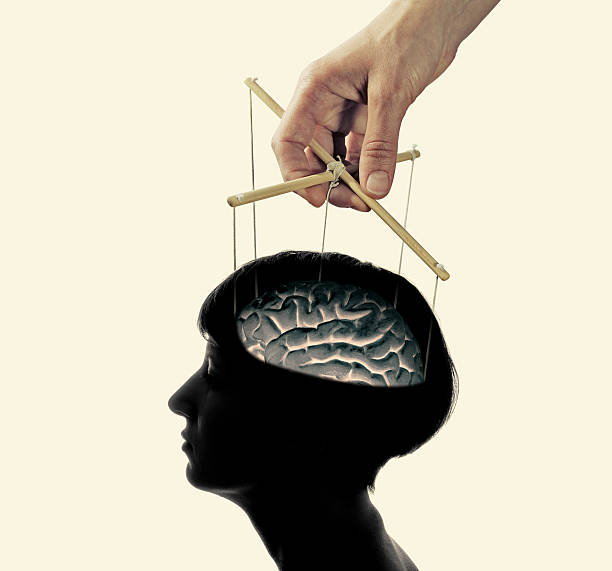
To preserve our independence through this process, we must listen to our internal voice of reason: is this to be trusted, is that person telling us some truth, or merely what she’s been paid to say? To maintain our sanity, as individuals, we also have to trust ourselves, turn off the stream of falsehoods and fake advice that technology saturates us with. We survived for millennia without it, and the knowledge we acquired then is called instinct.
Conclusion
In conclusion, trusting ourselves is not merely a whimsical notion but a powerful tool honed through millennia of evolution and collective experience. This internal guidance often draws from a deep reservoir of knowledge and intuition, making it an invaluable ally in navigating the complexities of serious decision-making. By embracing our inner experience, we empower ourselves to make choices that resonate with our true selves, ultimately leading to more authentic and fulfilling outcomes. As we face the myriad challenges of modern life, let us remember that our instinct is a reliable source of independent advice, one that deserves our trust and consideration.

Leave a Reply